














Ancienne carte ferroviaire du Wisconsin par Cram, 1901 : Milwaukee, Madison, Green Bay, lac Michigan, fleuve Mississippi
Restaurée dans notre atelier londonien à partir de la carte originale de 1901 et imprimée en qualité musée. Description complète
L’offre du collectionneur
Choisissez deux œuvres éligibles et bénéficiez de 20 % de réduction sur les deux. Choisissez-en trois et celle au prix le plus bas est offerte, pour une économie maximale de 33 %.
Associez librement des cartes standard éligibles et des tirages d’art. Aucun code n’est requis ; l’offre est appliquée automatiquement lors du paiement.
Les configurations standard réalisées sur commande sont incluses. Les formats sur mesure, les créations personnalisées et les œuvres commissionnées sont exclus.
Besoin d’une livraison à différentes adresses ? Contactez-nous avant de commander.L’offre du collectionneur
Choisissez deux œuvres éligibles et bénéficiez de 20 % de réduction sur les deux. Choisissez-en trois et celle au prix le plus bas est offerte, pour une économie maximale de 33 %.
Associez librement des cartes standard éligibles et des tirages d’art. Aucun code n’est requis ; l’offre est appliquée automatiquement lors du paiement.
Les configurations standard réalisées sur commande sont incluses. Les formats sur mesure, les créations personnalisées et les œuvres commissionnées sont exclus.
Besoin d’une livraison à différentes adresses ? Contactez-nous avant de commander. Restauré à Londres • Imprimé et encadré en the UK

Restaurée à partir de la carte originale de 1901 et imprimée en qualité musée. Description complète
Choisissez votre format
Choisissez votre finition


(Plus d’infos)
Message cadeau & finition personnalisée

Si vous souhaitez ajouter un message cadeau, ou une finition (puzzle, panneau en aluminium, etc.) qui n'est pas disponible ici, veuillez le demander dans la "note de commande" lors de votre passage à la caisse.
Chaque commande est fabriquée sur mesure, donc si vous avez besoin d'ajuster légèrement la taille, ou d'imprimer sur un matériau inhabituel, faites-le nous savoir. Nous avons réalisé des milliers de commandes personnalisées au fil des ans, donc il n'y a (presque) rien que nous ne puissions gérer.
Vous pouvez également nous contacter avant de passer votre commande, si vous le souhaitez !
Faites entrer un morceau d’histoire chez vous
Plus de 8 000 avis 5 étoiles


La carte du Wisconsin est le portrait de 1901 du « Badger State » par George F. Cram, publiée depuis son imprimerie...
Continuer la lectureLa carte du Wisconsin est le portrait de 1901 du « Badger State » par George F. Cram, publiée depuis son imprimerie de Chicago pour la révision du recensement de son célèbre Atlas of the World, Ancient and Modern. Fidèle à la réputation de Cram, la feuille allie précision et verve : les comtés sont distinctement différenciés par des bandes de couleurs aux pastels raffinés, une bordure ornementale encadre la composition, et une légende cartographique nette décode les symboles et le trait. La longitude est établie à partir de Greenwich, plaçant le Wisconsin dans un cadre résolument mondial tout en concentrant la carte sur l’exactitude locale. Produite au tournant du siècle, elle saisit l’État à un moment où les chemins de fer, l’administration des comtés et les bourgs commerciaux structuraient la vie civique, et où les atlas de Cram—également à leur place dans les salles de classe, les salles de conseil et les bureaux de relevés—définissaient le langage visuel de la géographie américaine.
L’ordre administratif est le drame discret de la carte. Les comtés codés par couleur se lisent comme une mosaïque parfaitement accordée, chaque frontière nettement définie et chaque siège du gouvernement soigneusement indiqué. Les hiérarchies urbaines apparaissent par une gradation typographique : Milwaukee domine le littoral sud-est du lac ; Madison, la capitale, ancre le cœur du sud-centre ; et Green Bay commande la célèbre baie ainsi que le corridor de la Fox River. Kenosha et Racine ponctuent le littoral du lac Michigan, tandis qu’Appleton, Waukesha et Oshkosh articulent la région de Fox–Winnebago. Plus à l’ouest, Eau Claire et La Crosse signalent les portes fluviales vers le Mississippi. En reliant ces points, les lignes ferroviaires et les principales routes dessinent les vecteurs du commerce et des migrations, révélant comment l’implantation s’est regroupée le long des corridors de transport et des bandes fertiles au début du XXe siècle.
L’hydrographie est rendue avec une sensibilité particulière. Le lac Supérieur couronne le nord, tandis que la longue rive festonnée du lac Michigan, avec la péninsule de Door en saillie et l’échancrure de Green Bay, définit l’est. Le Mississippi se déploie le long de l’ouest, ponctué par ses robustes affluents—la St. Croix, la Chippewa et la Black—formant une palissade aquatique entre les hauteurs et les plaines alluviales. À travers l’intérieur, la Wisconsin River trace une course diagonale vers le Mississippi, ses méandres reflétés par la Fox River qui s’écoule en sens opposé vers Green Bay, un duo qui formait jadis un portage terrestre vital. Le lac Winnebago repose, large et lumineux, au centre du système. En traçant ces voies, Cram inscrit l’architecture naturelle de l’État—ses routes commerciales, ses villes de moulins et ses eaux de loisirs—sur un squelette géographique lisible et élégant.
L’art cartographique de Cram élève l’information au rang de design. Les teintes pastel évitent l’encombrement visuel tout en affirmant avec netteté les limites juridictionnelles ; les chemins de fer sont gravés en traits assurés qui n’obscurcissent jamais la toponymie qu’ils relient. Les symboles des villes pondérés par la population et les tailles de caractères graduées traduisent la démographie en lisibilité immédiate, marque de fabrique de la clarté pédagogique de Cram. Le méridien de Greenwich et une grille latitude–longitude rigoureusement ordonnée témoignent d’une géographie moderne et standardisée, reliant le Wisconsin aux relevés nationaux et à la navigation internationale. Par ailleurs, la bordure ornée et les marges équilibrées évoquent la fierté d’un éditeur attentif autant à la présentation qu’à la référence. Il en résulte une carte qui invite à une lecture continue—suivre les lignes, évaluer les distances, comparer les comtés—sans sacrifier le calme et la tenue d’une belle impression.
En tant que document historique, la carte du Wisconsin de 1901 condense une conjoncture décisive : l’âge du chemin de fer à son apogée, l’ère de la route automobile à peine naissante, l’immigration remodelant les noms des villes et les marchés, et les institutions de comté consolidant leur autorité. Les forêts du nord et le pays des lacs contrastent avec le sud riche en produits laitiers et l’est industrieux, une trame régionale lisible dans la densité des villes et l’ampleur du réseau ferré. Le travail atlasique de Cram, largement adopté par les éducateurs et les professionnels, a démocratisé l’accès à une connaissance géographique fiable ; cette feuille en condense la mission avec la confiance du Midwest. Pour les historiens, généalogistes et collectionneurs, elle offre un repère permettant de retracer l’évolution des limites de comtés, des corridors ferroviaires et l’ascension urbaine — un témoin discrètement autoritaire de la transformation du Wisconsin au seuil du XXe siècle.
Villes et localités figurant sur cette carte
- Milwaukee
- Madison
- Green Bay
- Kenosha
- Racine
- Appleton
- Waukesha
- Oshkosh
- Eau Claire
- La Crosse
- La carte présente ces localités dans leurs comtés respectifs, contribuant à une meilleure compréhension de leur contexte géographique et démographique au début des années 1900.
Caractéristiques notables & repères
- Comtés : comtés administratifs du Wisconsin codés par couleur.
- Villes et localités : villes et bourgades clairement indiquées, chacune avec une taille distincte selon la population.
- Chemins de fer : illustrations des principales lignes ferroviaires indiquant les itinéraires de transport.
- Routes principales : représentation des axes routiers reliant différentes régions.
- Principaux plans d’eau : le lac Supérieur ainsi que d’autres rivières et lacs sont clairement signalés.
- Indicateur du méridien d’origine : situé à Greenwich, fournissant le contexte de la longitude de la carte.
Contexte historique et graphique
- Cartographe/éditeur : George Franklin Cram ; publié à Chicago, IL.
- Année de création : 1901.
- Contexte historique : fait partie de l’« Atlas of the World, Ancient and Modern » de Cram, révisé pour son édition de recensement ; les cartes de Cram furent largement utilisées dans les milieux éducatifs et professionnels à la fin du XIXe siècle et au début du XXe siècle.
- Sujets et thèmes : illustre les comtés, villes et localités, chemins de fer, routes, rivières et autres éléments géographiques majeurs, offrant un aperçu des infrastructures de transport et des schémas d’occupation du territoire de l’époque.
- Style graphique : couleur intégrale avec comtés distinctement codés par couleur, légende cartographique et bordure ornée ; les tons pastel renforcent l’attrait visuel.
- Importance historique : documente les divisions administratives et les réseaux de transport du Wisconsin au début du XXe siècle, contribuant à la compréhension des évolutions démographiques et géographiques au fil du temps.
Veuillez vérifier attentivement les images afin de vous assurer qu’une ville ou un lieu précis apparaît sur cette carte. Vous pouvez également nous contacter et nous demander de vérifier la carte pour vous.
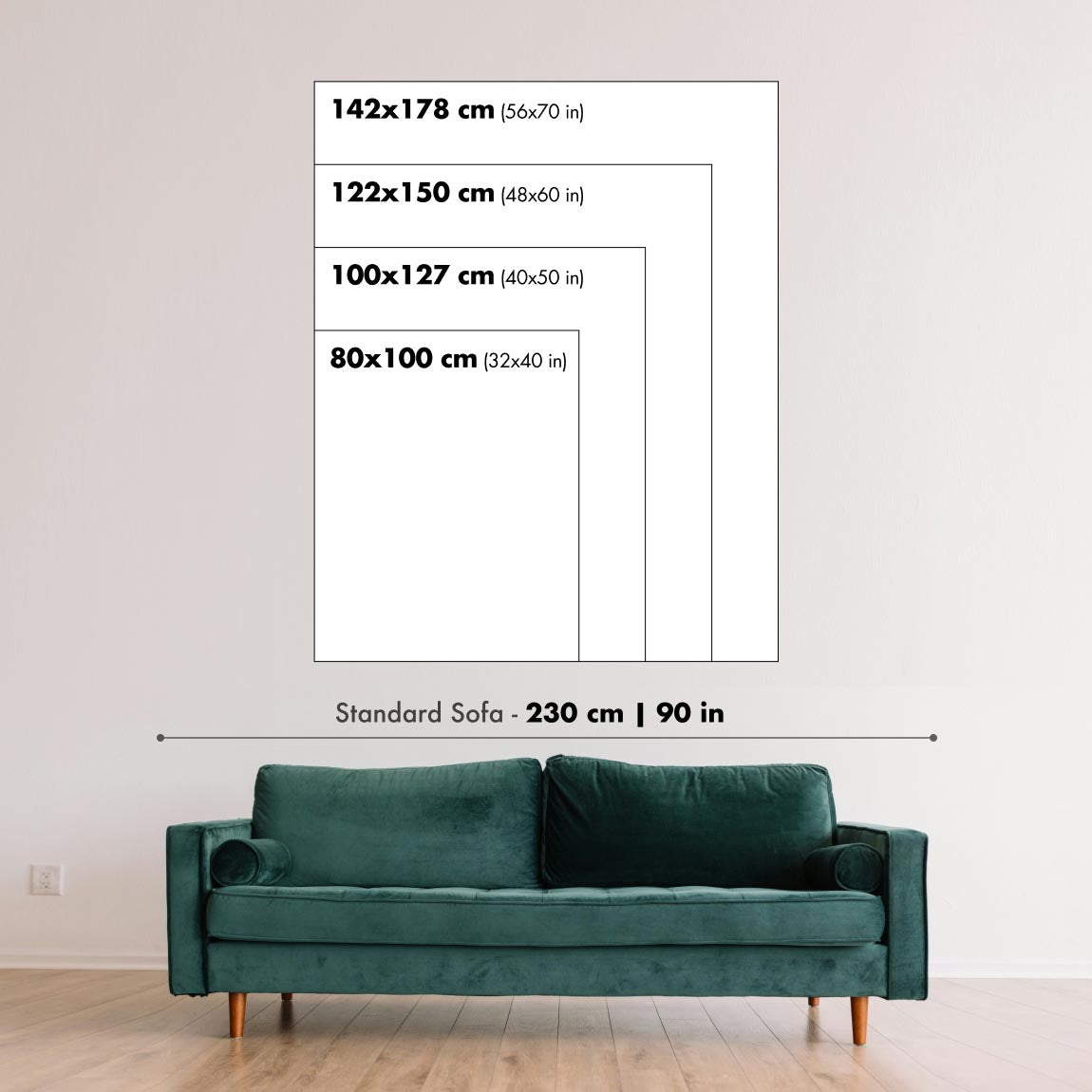
Cette carte est superbe quelle que soit sa taille, mais je recommande toujours d’opter pour un format plus grand si vous avez de la place. Ainsi, vous pourrez distinguer facilement tous les détails.
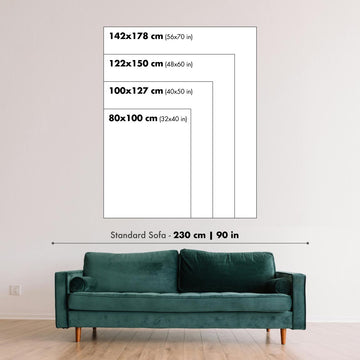
Cette carte est magnifique jusqu’à 50in (125cm). Si vous recherchez une carte plus grande, veuillez nous contacter.
Le modèle sur les images de l’annonce tient la version 18x24in (45x60cm) de cette carte.
La cinquième image de l’annonce montre un exemple de mon service de personnalisation de carte.
Si vous recherchez quelque chose d’un peu différent, découvrez ma collection des plus belles cartes anciennes pour voir si autre chose attire votre regard.
Merci de me contacter pour vérifier si un certain lieu, monument ou élément figure sur cette carte.
Ce serait un merveilleux cadeau d’anniversaire, de Noël, de fête des Pères, de départ du travail, d’anniversaire de mariage ou de pendaison de crémaillère pour quelqu’un originaire des régions couvertes par cette carte.
Cette carte est disponible en tirage giclée sur papier mat d’archives sans acide, ou vous pouvez l’acheter encadrée. Le cadre est un joli cadre noir sobre qui s’accorde avec la plupart des styles. N’hésitez pas à me contacter si vous souhaitez une autre couleur ou un autre matériau de cadre. Mes cadres sont protégés par un vitrage en acrylique de qualité musée, d’une clarté exceptionnelle (perspex/acrylite), nettement moins réfléchissant que le verre, plus sûr, et toujours livré en parfait état.
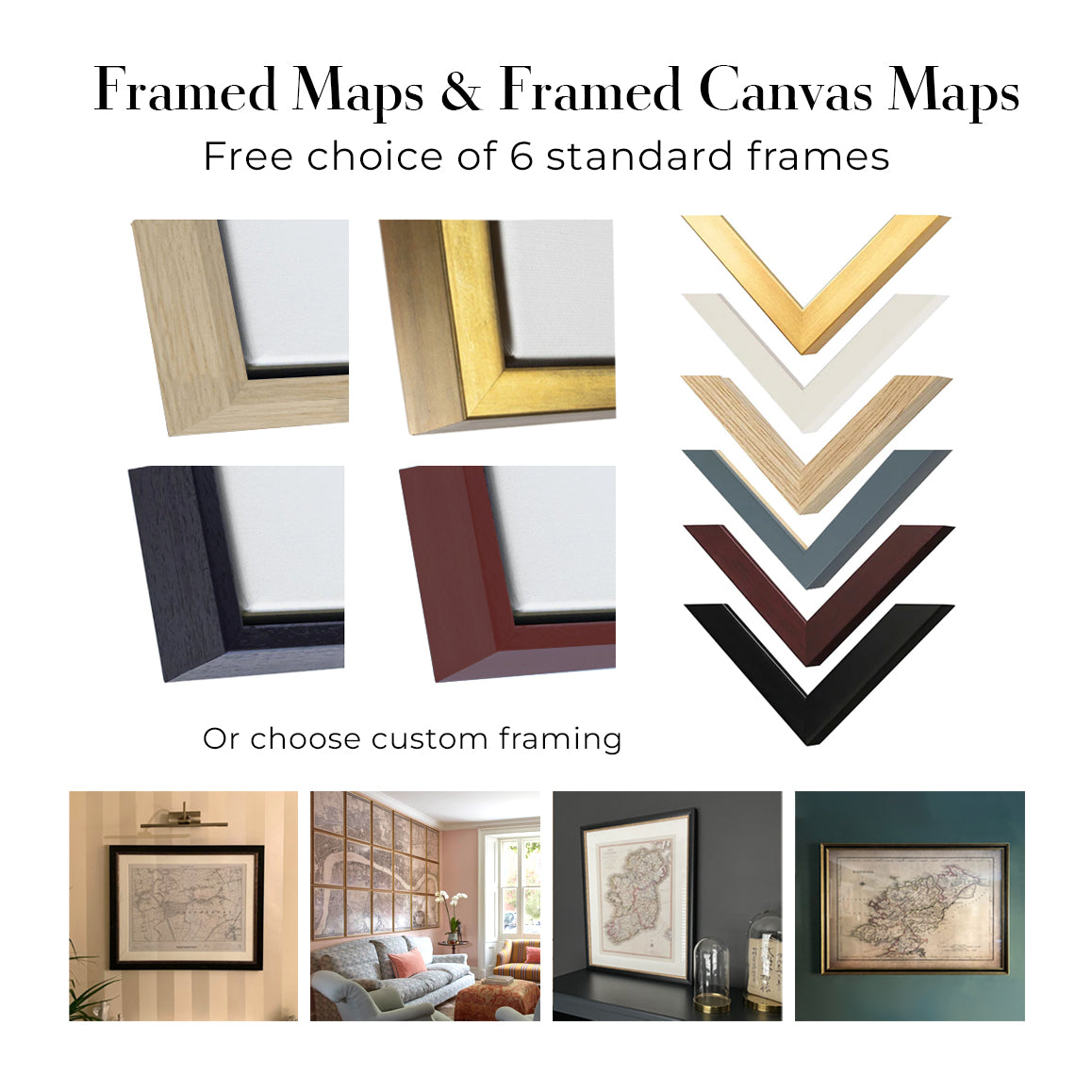
This map is also available as a float framed canvas, sometimes known as a shadow gap framed canvas or canvas floater. The map is printed on artist's cotton canvas and then stretched over a handmade box frame. We then "float" the canvas inside a wooden frame, which is available in a range of colours (black, dark brown, oak, antique gold and white). This is a wonderful way to present a map without glazing in front. See some examples of float framed canvas maps and explore the differences between my different finishes.
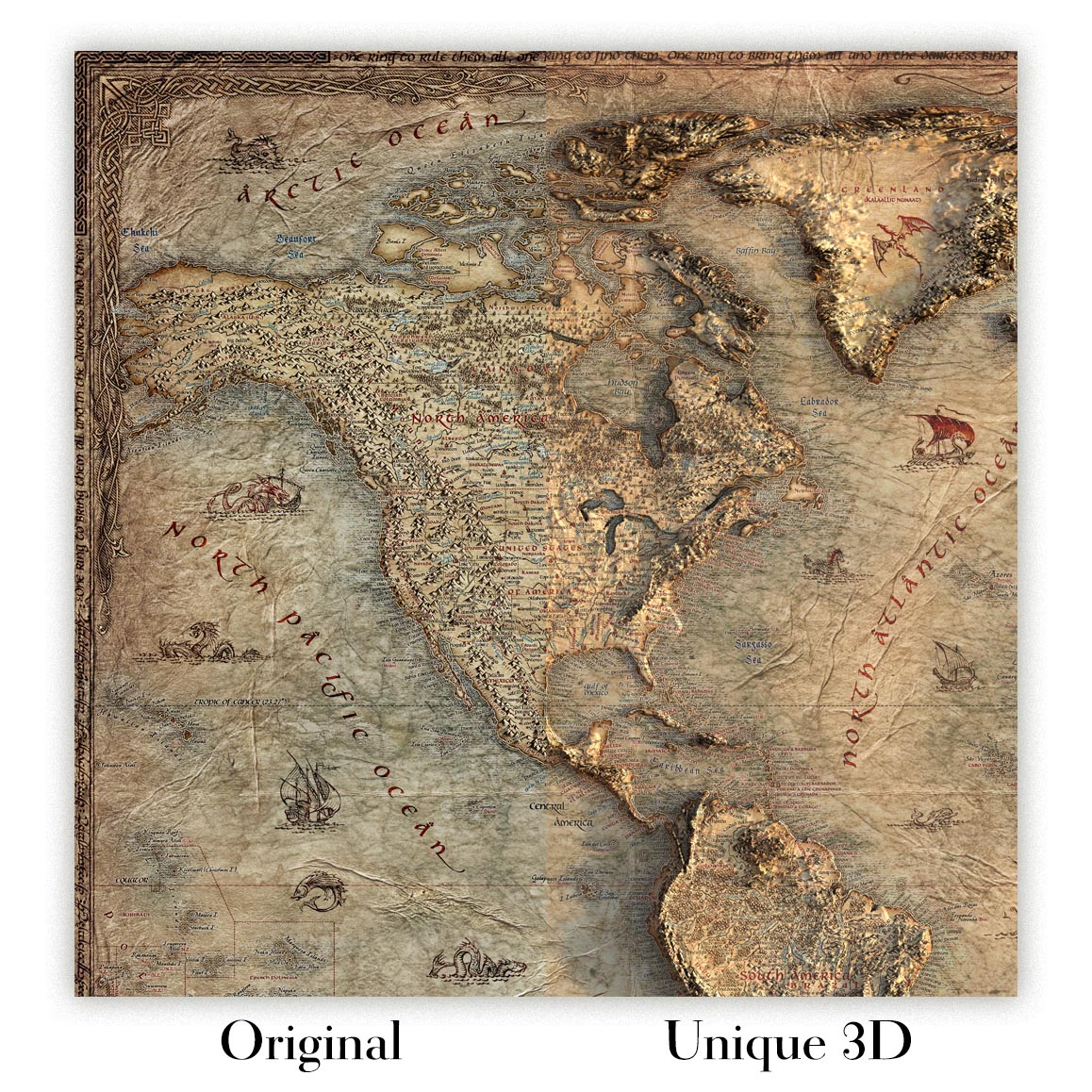
For something truly unique, this map is also available in "Unique 3D", our trademarked process that dramatically transforms the map so that it has a wonderful sense of depth. We combine the original map with detailed topography and elevation data, so that mountains and the terrain really "pop". For more info and examples of 3D maps, check my Unique 3D page.
La carte du Wisconsin est le portrait de 1901 du « Badger State » par George F. Cram, publiée depuis son imprimerie de Chicago pour la révision du recensement de son célèbre Atlas of the World, Ancient and Modern. Fidèle à la réputation de Cram, la feuille allie précision et verve : les comtés sont distinctement différenciés par des bandes de couleurs aux pastels raffinés, une bordure ornementale encadre la composition, et une légende cartographique nette décode les symboles et le trait. La longitude est établie à partir de Greenwich, plaçant le Wisconsin dans un cadre résolument mondial tout en concentrant la carte sur l’exactitude locale. Produite au tournant du siècle, elle saisit l’État à un moment où les chemins de fer, l’administration des comtés et les bourgs commerciaux structuraient la vie civique, et où les atlas de Cram—également à leur place dans les salles de classe, les salles de conseil et les bureaux de relevés—définissaient le langage visuel de la géographie américaine.
L’ordre administratif est le drame discret de la carte. Les comtés codés par couleur se lisent comme une mosaïque parfaitement accordée, chaque frontière nettement définie et chaque siège du gouvernement soigneusement indiqué. Les hiérarchies urbaines apparaissent par une gradation typographique : Milwaukee domine le littoral sud-est du lac ; Madison, la capitale, ancre le cœur du sud-centre ; et Green Bay commande la célèbre baie ainsi que le corridor de la Fox River. Kenosha et Racine ponctuent le littoral du lac Michigan, tandis qu’Appleton, Waukesha et Oshkosh articulent la région de Fox–Winnebago. Plus à l’ouest, Eau Claire et La Crosse signalent les portes fluviales vers le Mississippi. En reliant ces points, les lignes ferroviaires et les principales routes dessinent les vecteurs du commerce et des migrations, révélant comment l’implantation s’est regroupée le long des corridors de transport et des bandes fertiles au début du XXe siècle.
L’hydrographie est rendue avec une sensibilité particulière. Le lac Supérieur couronne le nord, tandis que la longue rive festonnée du lac Michigan, avec la péninsule de Door en saillie et l’échancrure de Green Bay, définit l’est. Le Mississippi se déploie le long de l’ouest, ponctué par ses robustes affluents—la St. Croix, la Chippewa et la Black—formant une palissade aquatique entre les hauteurs et les plaines alluviales. À travers l’intérieur, la Wisconsin River trace une course diagonale vers le Mississippi, ses méandres reflétés par la Fox River qui s’écoule en sens opposé vers Green Bay, un duo qui formait jadis un portage terrestre vital. Le lac Winnebago repose, large et lumineux, au centre du système. En traçant ces voies, Cram inscrit l’architecture naturelle de l’État—ses routes commerciales, ses villes de moulins et ses eaux de loisirs—sur un squelette géographique lisible et élégant.
L’art cartographique de Cram élève l’information au rang de design. Les teintes pastel évitent l’encombrement visuel tout en affirmant avec netteté les limites juridictionnelles ; les chemins de fer sont gravés en traits assurés qui n’obscurcissent jamais la toponymie qu’ils relient. Les symboles des villes pondérés par la population et les tailles de caractères graduées traduisent la démographie en lisibilité immédiate, marque de fabrique de la clarté pédagogique de Cram. Le méridien de Greenwich et une grille latitude–longitude rigoureusement ordonnée témoignent d’une géographie moderne et standardisée, reliant le Wisconsin aux relevés nationaux et à la navigation internationale. Par ailleurs, la bordure ornée et les marges équilibrées évoquent la fierté d’un éditeur attentif autant à la présentation qu’à la référence. Il en résulte une carte qui invite à une lecture continue—suivre les lignes, évaluer les distances, comparer les comtés—sans sacrifier le calme et la tenue d’une belle impression.
En tant que document historique, la carte du Wisconsin de 1901 condense une conjoncture décisive : l’âge du chemin de fer à son apogée, l’ère de la route automobile à peine naissante, l’immigration remodelant les noms des villes et les marchés, et les institutions de comté consolidant leur autorité. Les forêts du nord et le pays des lacs contrastent avec le sud riche en produits laitiers et l’est industrieux, une trame régionale lisible dans la densité des villes et l’ampleur du réseau ferré. Le travail atlasique de Cram, largement adopté par les éducateurs et les professionnels, a démocratisé l’accès à une connaissance géographique fiable ; cette feuille en condense la mission avec la confiance du Midwest. Pour les historiens, généalogistes et collectionneurs, elle offre un repère permettant de retracer l’évolution des limites de comtés, des corridors ferroviaires et l’ascension urbaine — un témoin discrètement autoritaire de la transformation du Wisconsin au seuil du XXe siècle.
Villes et localités figurant sur cette carte
- Milwaukee
- Madison
- Green Bay
- Kenosha
- Racine
- Appleton
- Waukesha
- Oshkosh
- Eau Claire
- La Crosse
- La carte présente ces localités dans leurs comtés respectifs, contribuant à une meilleure compréhension de leur contexte géographique et démographique au début des années 1900.
Caractéristiques notables & repères
- Comtés : comtés administratifs du Wisconsin codés par couleur.
- Villes et localités : villes et bourgades clairement indiquées, chacune avec une taille distincte selon la population.
- Chemins de fer : illustrations des principales lignes ferroviaires indiquant les itinéraires de transport.
- Routes principales : représentation des axes routiers reliant différentes régions.
- Principaux plans d’eau : le lac Supérieur ainsi que d’autres rivières et lacs sont clairement signalés.
- Indicateur du méridien d’origine : situé à Greenwich, fournissant le contexte de la longitude de la carte.
Contexte historique et graphique
- Cartographe/éditeur : George Franklin Cram ; publié à Chicago, IL.
- Année de création : 1901.
- Contexte historique : fait partie de l’« Atlas of the World, Ancient and Modern » de Cram, révisé pour son édition de recensement ; les cartes de Cram furent largement utilisées dans les milieux éducatifs et professionnels à la fin du XIXe siècle et au début du XXe siècle.
- Sujets et thèmes : illustre les comtés, villes et localités, chemins de fer, routes, rivières et autres éléments géographiques majeurs, offrant un aperçu des infrastructures de transport et des schémas d’occupation du territoire de l’époque.
- Style graphique : couleur intégrale avec comtés distinctement codés par couleur, légende cartographique et bordure ornée ; les tons pastel renforcent l’attrait visuel.
- Importance historique : documente les divisions administratives et les réseaux de transport du Wisconsin au début du XXe siècle, contribuant à la compréhension des évolutions démographiques et géographiques au fil du temps.
Veuillez vérifier attentivement les images afin de vous assurer qu’une ville ou un lieu précis apparaît sur cette carte. Vous pouvez également nous contacter et nous demander de vérifier la carte pour vous.
Cette carte est superbe quelle que soit sa taille, mais je recommande toujours d’opter pour un format plus grand si vous avez de la place. Ainsi, vous pourrez distinguer facilement tous les détails.
Cette carte est magnifique jusqu’à 50in (125cm). Si vous recherchez une carte plus grande, veuillez nous contacter.
Le modèle sur les images de l’annonce tient la version 18x24in (45x60cm) de cette carte.
La cinquième image de l’annonce montre un exemple de mon service de personnalisation de carte.
Si vous recherchez quelque chose d’un peu différent, découvrez ma collection des plus belles cartes anciennes pour voir si autre chose attire votre regard.
Merci de me contacter pour vérifier si un certain lieu, monument ou élément figure sur cette carte.
Ce serait un merveilleux cadeau d’anniversaire, de Noël, de fête des Pères, de départ du travail, d’anniversaire de mariage ou de pendaison de crémaillère pour quelqu’un originaire des régions couvertes par cette carte.
Cette carte est disponible en tirage giclée sur papier mat d’archives sans acide, ou vous pouvez l’acheter encadrée. Le cadre est un joli cadre noir sobre qui s’accorde avec la plupart des styles. N’hésitez pas à me contacter si vous souhaitez une autre couleur ou un autre matériau de cadre. Mes cadres sont protégés par un vitrage en acrylique de qualité musée, d’une clarté exceptionnelle (perspex/acrylite), nettement moins réfléchissant que le verre, plus sûr, et toujours livré en parfait état.
This map is also available as a float framed canvas, sometimes known as a shadow gap framed canvas or canvas floater. The map is printed on artist's cotton canvas and then stretched over a handmade box frame. We then "float" the canvas inside a wooden frame, which is available in a range of colours (black, dark brown, oak, antique gold and white). This is a wonderful way to present a map without glazing in front. See some examples of float framed canvas maps and explore the differences between my different finishes.
For something truly unique, this map is also available in "Unique 3D", our trademarked process that dramatically transforms the map so that it has a wonderful sense of depth. We combine the original map with detailed topography and elevation data, so that mountains and the terrain really "pop". For more info and examples of 3D maps, check my Unique 3D page.
Nombre de nos cartes et tirages d’art sont choisis comme cadeaux attentionnés pour des intérieurs, des bureaux, des cabinets de travail et des lieux chargés de sens.
Choisissez une option encadrée pour un cadeau prêt à être accroché en toute simplicité, ou optez pour un tirage non encadré si le destinataire préfère peut-être sélectionner son propre cadre.
Nous fabriquons les commandes localement dans 23 pays à travers le monde, afin que les cadeaux puissent souvent être produits à proximité du destinataire. Cela permet une livraison plus rapide, un transport plus sûr et d’éviter les surprises liées aux frais de douane ou droits d’importation.
- Nous pouvons livrer directement au destinataire
- Les pièces encadrées arrivent prêtes à être accrochées
- Les tirages non encadrés sont soigneusement emballés dans un tube de protection robuste
- Presque chaque commande est fabriquée localement, pour des cadeaux plus rapides et plus sûrs
- Les retours sous 90 jours laissent au destinataire le temps de se décider
Si vous hésitez sur le choix à faire, veuillez nous contacter. Nous pouvons vous aider à choisir la carte, le format, la finition ou l’option de livraison appropriés.
Pour la plupart des commandes, le délai de livraison est d'environ 3 jours ouvrables. Les produits personnalisés et sur mesure prennent plus de temps, car je dois faire la personnalisation et vous l'envoyer pour approbation, ce qui prend généralement 1 ou 2 jours.
Veuillez noter que les grandes commandes encadrées prennent généralement plus de temps à réaliser et à livrer.
Si vous avez besoin que votre commande arrive à une date précise, veuillez me contacter avant de passer votre commande afin que nous puissions trouver le meilleur moyen de nous assurer que vous receviez votre commande à temps.
J'imprime et encadre des cartes et des œuvres d'art dans 23 pays à travers le monde. Cela signifie que votre commande sera réalisée localement, ce qui réduit le temps de livraison et garantit qu'elle ne sera pas endommagée pendant le transport. Vous ne paierez jamais de droits de douane ou d'importation, et nous mettrons moins de CO2 dans l'air.
Toutes mes cartes et impressions artistiques sont bien emballées et envoyées dans un tube robuste si non encadrées, ou entourées de mousse si encadrées.
J'essaie d'envoyer toutes les commandes dans les 1 ou 2 jours suivant la réception de votre commande, bien que certains produits (comme les masques, les mugs et les sacs fourre-tout) puissent prendre plus de temps à réaliser.
Si vous choisissez Livraison Express lors du paiement, nous donnerons la priorité à votre commande et l'enverrons par un service de messagerie de 1 jour (Fedex, DHL, UPS, Parcelforce).
La livraison le lendemain est également disponible dans certains pays (États-Unis, Royaume-Uni, Singapour, Émirats Arabes Unis), mais veuillez essayer de commander tôt dans la journée afin que nous puissions l'envoyer à temps.
Lisez mon guide complet sur la livraison et la production locale
Mon cadre standard est un cadre en bois dur noir de style galerie. Il est simple et a un aspect assez moderne. Mon cadre standard mesure environ 20 mm (0,8 po) de large.
J'utilise de l'acrylique super clair (perspex/acrylite) pour le verre du cadre. C'est plus léger et plus sûr que le verre - et cela a meilleur aspect, car la réflexivité est plus faible.
Six couleurs de cadre standard sont disponibles gratuitement (noir, marron foncé, gris foncé, chêne, blanc et or antique). Des encadrements et montages/matelassages personnalisés sont disponibles si vous recherchez autre chose.
La plupart des cartes, œuvres d'art et illustrations sont également disponibles sous forme de toile encadrée. Nous utilisons une toile en coton mate (non brillante), que nous tendons sur un cadre en bois de boîte provenant de sources durables, puis nous 'flottions' la pièce à l'intérieur d'un cadre en bois. Le résultat final est assez beau, et il n'y a pas de vitrage qui gêne.
Tous les cadres sont fournis "prêts à accrocher", avec soit une corde, soit des supports à l'arrière. Les très grands cadres auront des plaques de suspension lourdes et/ou une latte de montage. Si vous avez des questions, veuillez nous contacter.
Voir quelques exemples de mes cartes encadrées et de cartes en toile encadrées.
Alternativement, je peux également fournir de vieilles cartes et œuvres d'art sur toile, sur panneau en mousse, en coton et d'autres matériaux.
Si vous souhaitez encadrer votre carte ou œuvre d'art vous-même, veuillez lire d'abord mon guide des tailles.
Nous travaillons avec des architectes d’intérieur, des acteurs de l’hôtellerie, des professionnels de l’immobilier, des bureaux et des acheteurs corporate, pour des pièces individuelles comme pour des projets coordonnés de plus grande envergure.
Cette carte peut être adaptée à un mur, une pièce ou un projet particulier, et notre atelier peut vous aider à coordonner les dimensions, le matériau et l’encadrement avant la production.
- Dimensions exactes, hors format et sur mesure
- Encadrement, montage et matériaux alternatifs sur mesure
- Pièces coordonnées pour plusieurs pièces ou sites
- Personnalisation de la carte, pour marquer des lieux importants ou ajouter des détails supplémentaires
- Conseils sur la carte et l’encadrement par notre atelier
- Production locale pour des projets dans le monde entier
Échangez au sujet de cette pièce avec notre équipe Trade & Projects
Mes cartes sont des reproductions de cartes originales de très haute qualité.
Je recherche des cartes originales et rares auprès de bibliothèques, de maisons de ventes aux enchères et de collections privées du monde entier, je les restaure dans mon atelier de Londres, puis j'utilise des encres et des imprimantes giclées spécialisées pour créer de magnifiques cartes encore plus belles que l'originale.
Mes cartes sont imprimées sur du papier d’archives mat (non brillant) sans acide qui semble de très haute qualité et ressemble presque à une carte. En termes techniques, le grammage/épaisseur du papier est de 10 mil/200 g/m². C'est parfait pour l'encadrement.
J’imprime avec des encres pigmentaires Epson ultrachrome giclée UV résistantes à la décoloration – certaines des meilleures encres que vous puissiez trouver.
je peux aussi faire cartes sur toile, chiffon en coton et autres matériaux exotiques.
En savoir plus sur Unique Maps Co..
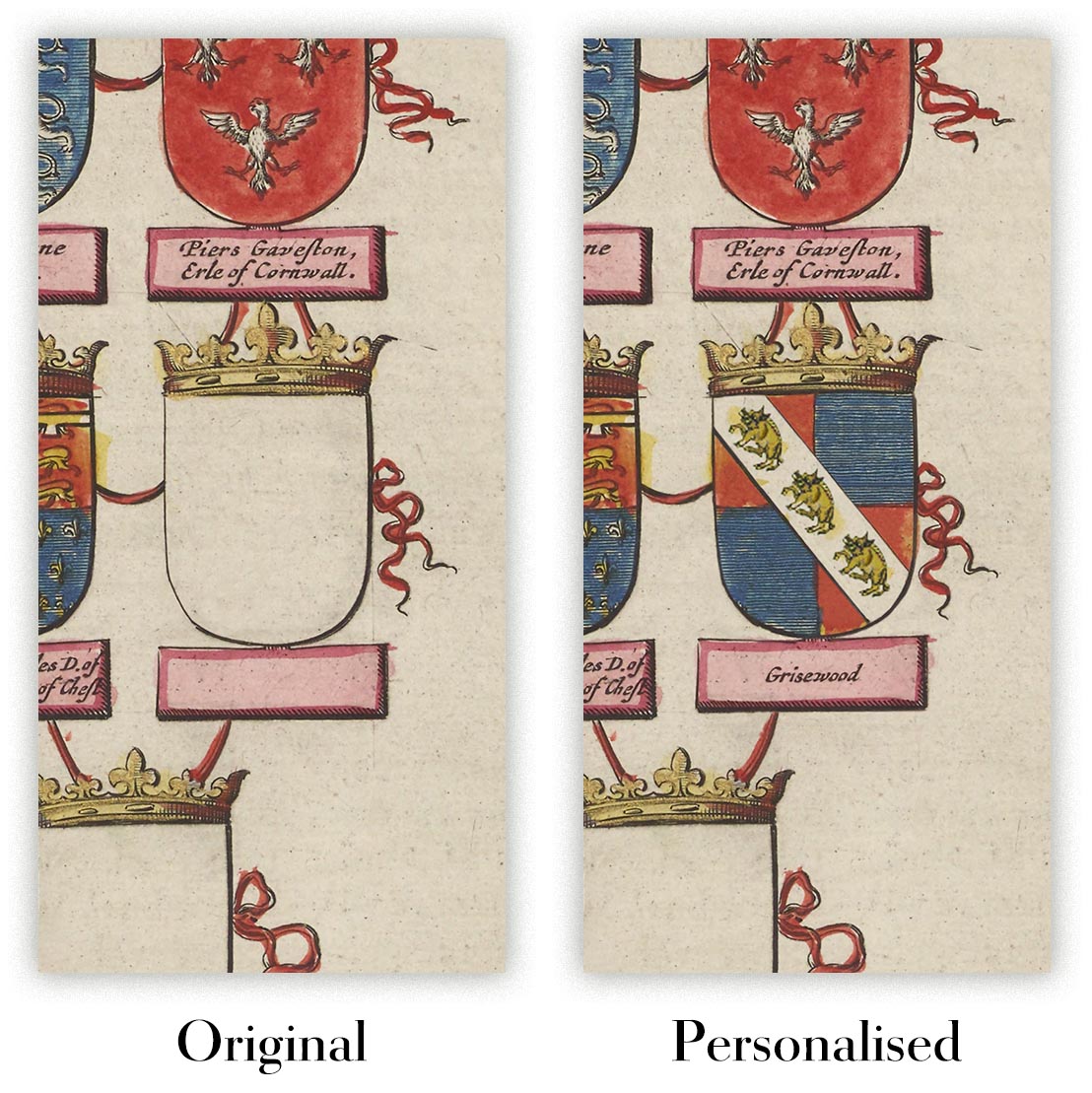
Personnalisation de la carte
Si vous recherchez le cadeau parfait pour un anniversaire ou une pendaison de crémaillère, je peux personnaliser votre carte pour la rendre vraiment unique. Par exemple, je peux ajouter un court message, mettre en évidence un lieu important ou ajouter les armoiries de votre famille.
Les options sont presque infinies. S'il vous plaît voir mon page de personnalisation de la carte pour quelques merveilleux exemples de ce qui est possible.
Pour commander une carte personnalisée, sélectionnez « personnaliser votre carte » avant de l'ajouter à votre panier.
Entrer en contact si vous recherchez des personnalisations et des personnalisations plus complexes.
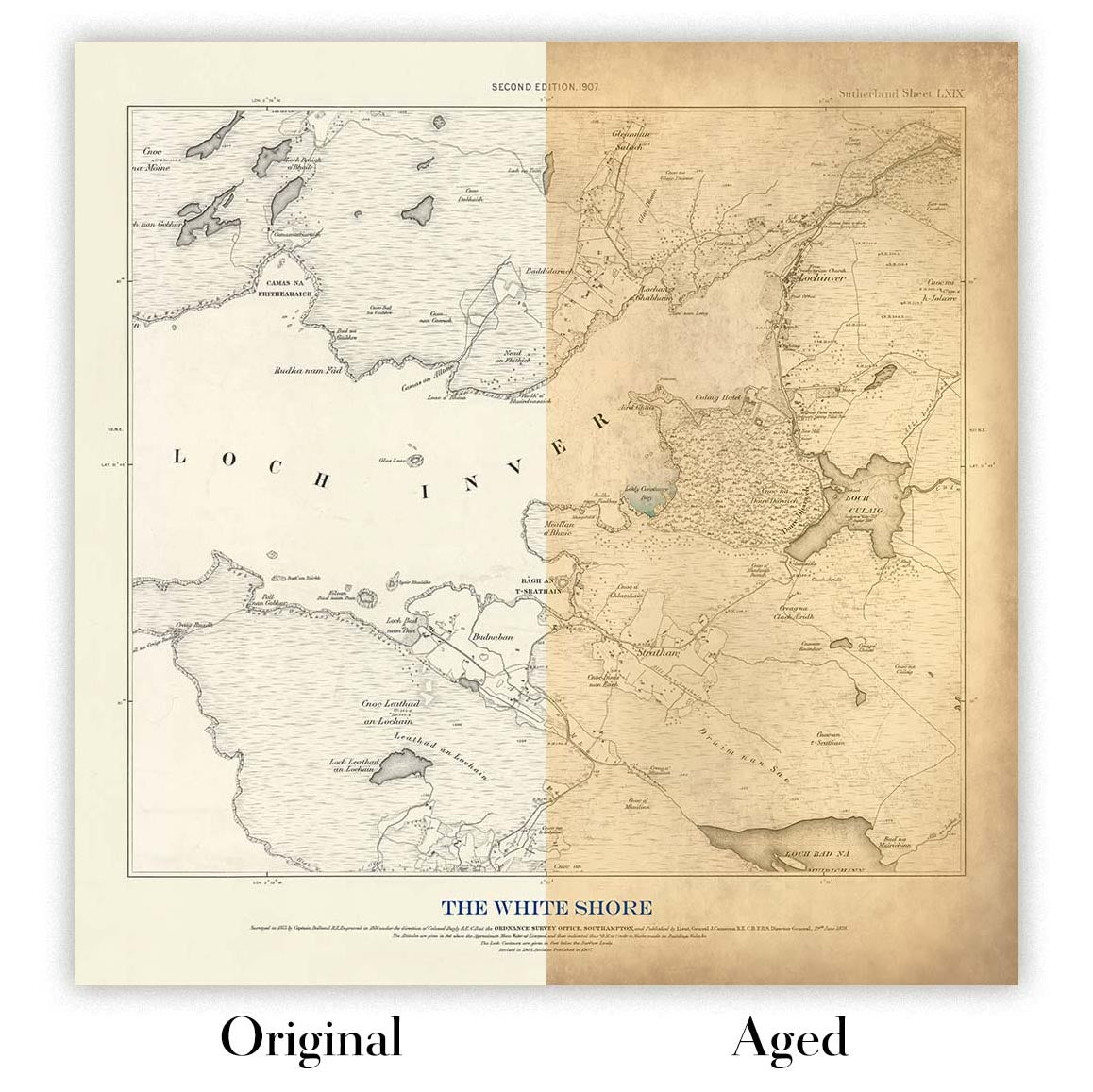
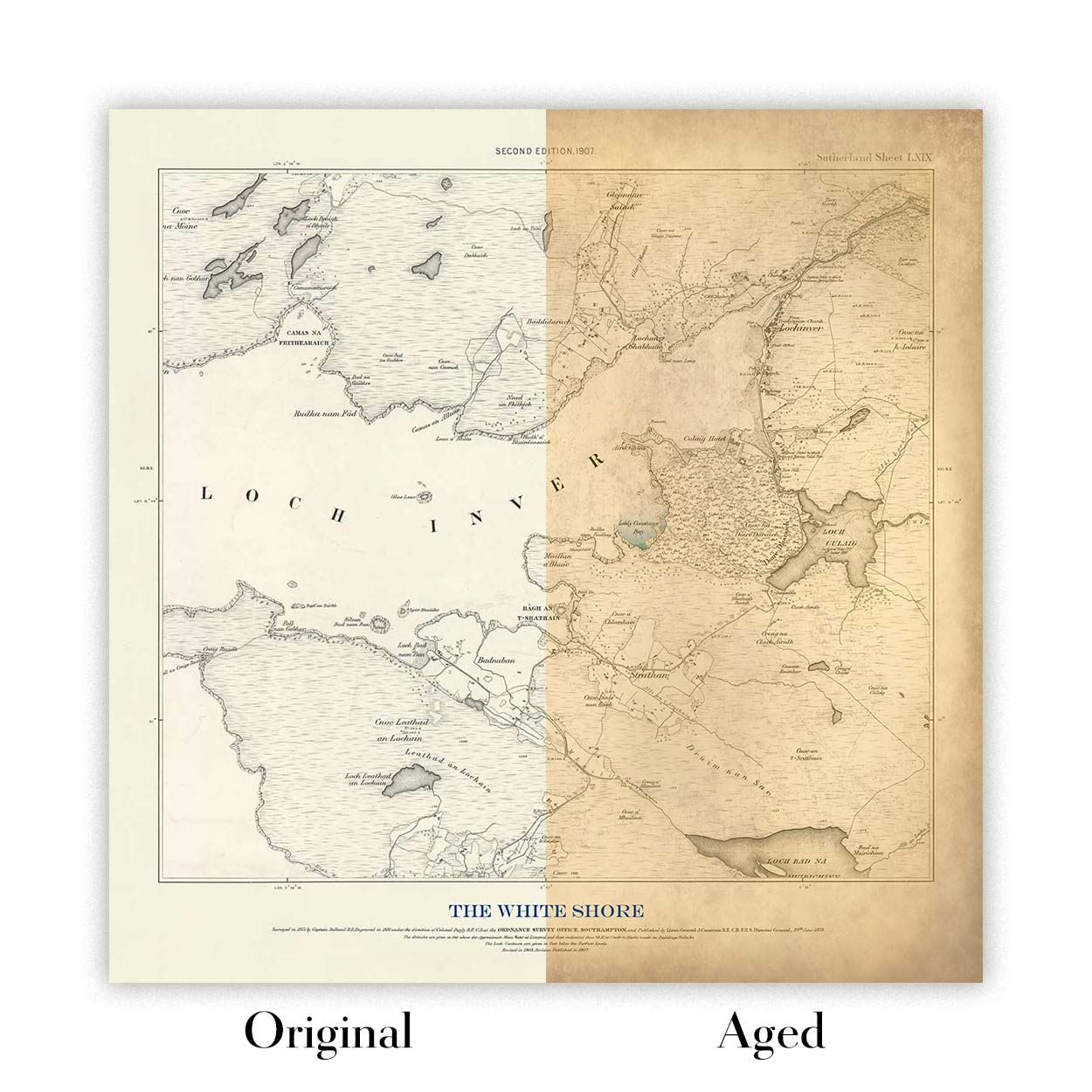
Vieillissement de la carte
Au fil des ans, des clients m'ont demandé des centaines de fois s'ils pouvaient acheter une carte qui semble uniforme. plus vieux.
Eh bien, vous pouvez désormais le faire en sélectionnant Aged avant d'ajouter une carte à votre panier.
Toutes les photos de produits que vous voyez sur cette page montrent la carte dans sa forme originale. Voilà à quoi ressemble la carte aujourd'hui.
Si vous sélectionnez Vieilli, je vieillirai votre carte à la main, en utilisant un processus spécial et unique développé au cours d'années d'étude de cartes anciennes, de discussions avec des chercheurs pour comprendre la chimie du vieillissement du papier, et bien sûr... beaucoup de pratique !
Si vous n'êtes pas sûr, respectez la couleur originale de la carte. Si vous voulez quelque chose d'un peu plus sombre et plus vieux à la recherche, optez pour Aged.
Nous restaurons et produisons des cartes et des tirages d’art depuis 1984, et nous garantissons chaque pièce.
Chaque commande est couverte par notre garantie de 10 ans et notre garantie de livraison sans dommage. Si votre pièce arrive endommagée, nous la remplacerons ou la referons gratuitement. Si quoi que ce soit d’autre ne vous donne pas entière satisfaction, contactez notre équipe d’atelier et nous y remédierons rapidement.
Consultez notre politique de retours et de remboursement pour plus de détails.
Ou lancez une recherche dans la boutique.


